Environmental investigative journalism nonprofit

All Our Work

Independent journalism on water, public health and the environment

WATERSHED partners with national and international media to run high impact investigations covering all issues affecting the freshwater and marine environment.

How can we reduce the impact of plastic on the environment?

How can we reduce the impact of plastic on the environment?

An estimated 445,970 tonnes of nurdles enter the environment every year, making them the second largest source of primary microplastic pollution globally. Find out more about the largest nurdle spill on record.

Only 0.5% of 90,000 oil slicks reported over five-year period, analysis finds

Only 0.5% of 90,000 oil slicks reported over five-year period, analysis finds

“It is appalling to hear of the extreme levels of toxic pollution caused by these oil spills from shipping, as well as the frankly mind-bending under-reporting of the situation,” Hugo Tagholm, the executive director of Oceana UK.

The lasting toxic legacy of cargo ship disaster revealed, for BBC online and TV news

The lasting toxic legacy of cargo ship disaster revealed, for BBC online and TV news

Four years after a stricken cargo ship caused the largest plastic spill ever recorded, volunteers on Sri Lanka's beaches are still sifting kilograms of tiny plastic pellets from the sand. Worse, those pieces of plastic now appear to be becoming even more toxic.

Sri Lanka: The X Press Pearl disaster podcast

Sri Lanka: The X Press Pearl disaster podcast

In 2021 a huge cargo ship, the X-Press Pearl caught fire and sank off the coast of Sri Lanka, triggering an environmental crisis. The country is still counting the cost. "The beach was covered with oil, dead turtles, and shipping containers. We've never had the same amount of fish that we used to catch. Our lives have turned upside down."

Another PFAS scientific paper published

Another PFAS scientific paper published

An industrial site where a chemicals plant is based is still releasing a complex mix of both old and new PFAS into air, soils and water.

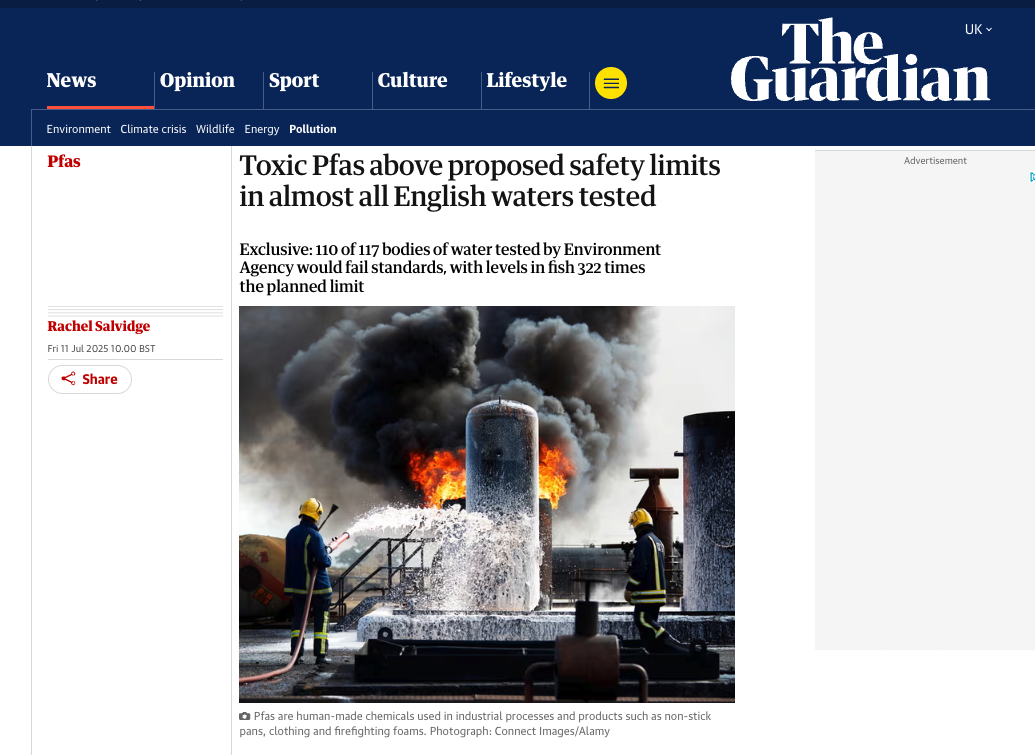
Toxic PFAS above proposed safety limits in almost all English waters tested

Toxic PFAS above proposed safety limits in almost all English waters tested

Nearly all rivers, lakes and ponds in England tested for a range of Pfas, known as “forever chemicals”, exceed proposed new safety limits.

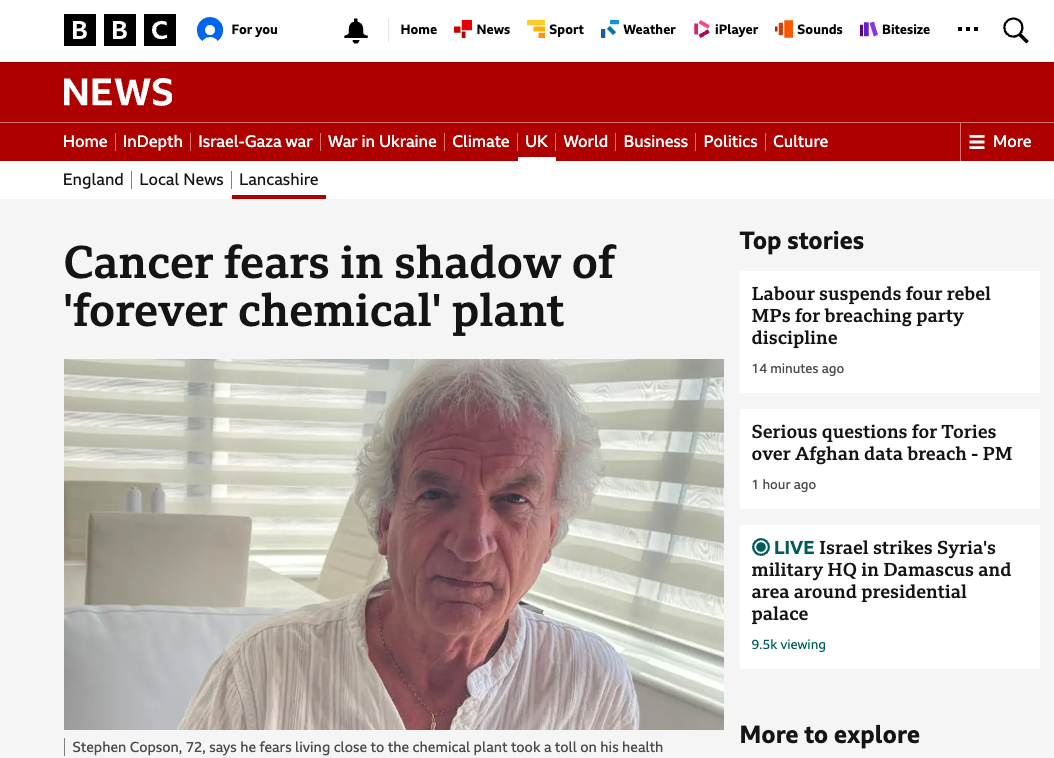
Cancer fears in shadow of ‘forever chemical’ plant

Cancer fears in shadow of ‘forever chemical’ plant

Watershed is helping the BBC with its upcoming documentary on PFAS pollution, which Watershed uncovered when it sampled the effluent coming from the site of a chemicals plant. 

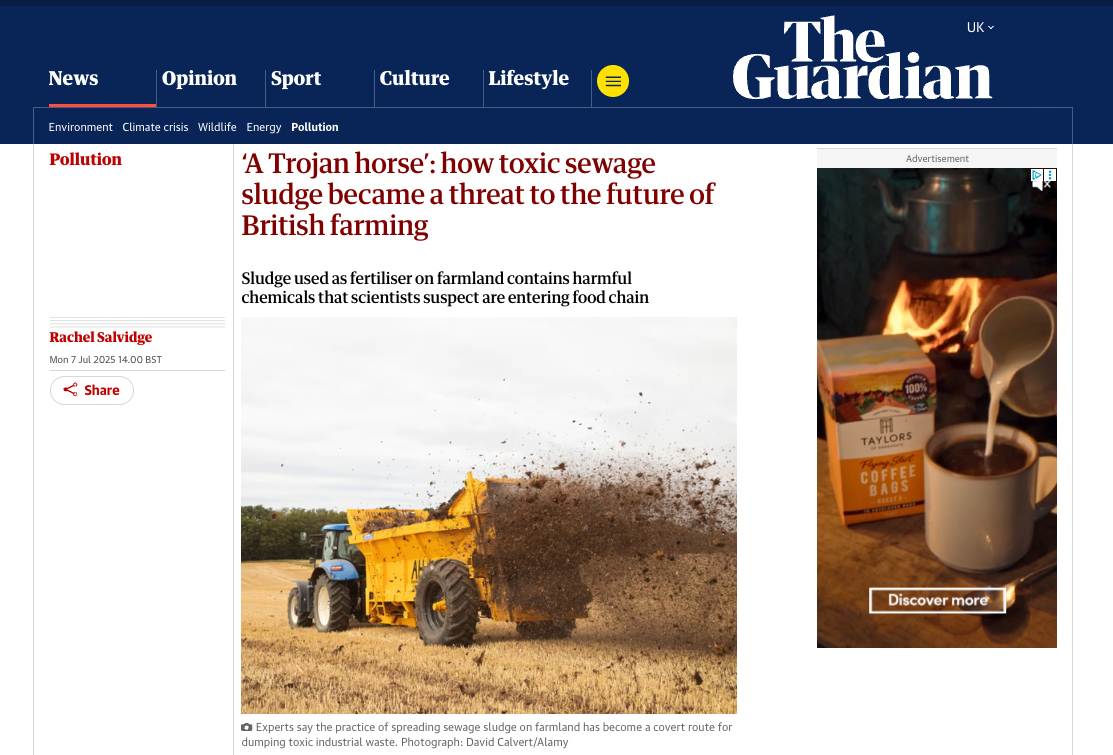
Sewage sludge scandal: three-part investigation

Sewage sludge scandal: three-part investigation

A three-part investigation into the spreading of contaminated sewage sludge onto farmland across the country.

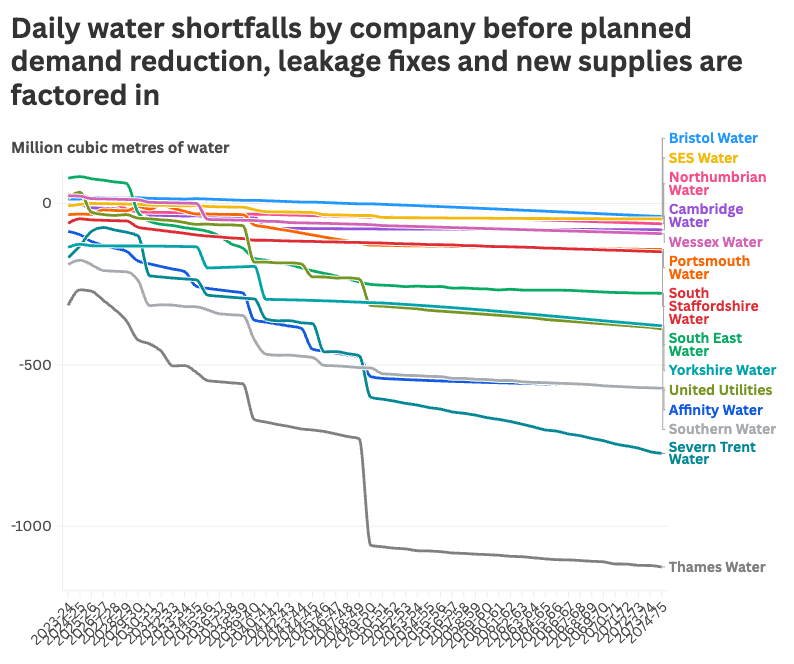
England’s water shortfall

England’s water shortfall

Water companies plan to close a projected supply gap through leak repairs, demand reduction and increased abstraction from rivers and aquifers in the short term.

Help Fund Us

You can help us do more of this work by donating to WATERSHED. We use Gift Aid to help maximise whatever amount you’re able to donate.

Support Our Work

Our work has been published in: